



Popular Articles
Car Wrapping vs Painting: Which Is More Cost-Effective?
2026.03.22
How to Find the Best Tint Shop Near You in 2026
2026.03.22
Top Trusted PPF Brands and How to Choose the Right One
2026.03.22
About Company
Colorfuul is a global leader in high-end automotive films, offering Color TPU PPF, Transparent PPF, PET Window Films, and Vinyl Wrapping. With exports to over 100 countries, we deliver consistent quality, competitive pricing, and professional service. Beyond production, we provide OEM/ODM customization, shaping the future of automotive aesthetics.
 mary@colorfuul.com
  86 13541196952
 Best Color PPF for Cars in the USA: Protection, Style, and Long-Term Value
In the United States, car ownership is more than transportation—it is part of lifestyle, identity, and long-term investment. From daily commuting and highway driving to weekend road trips, vehicles are constantly exposed to road debris, sun exposure, and environmental wear. This is why color paint protection film (Color PPF) has become one of the fastest-growing automotive protection solutions across the USA.
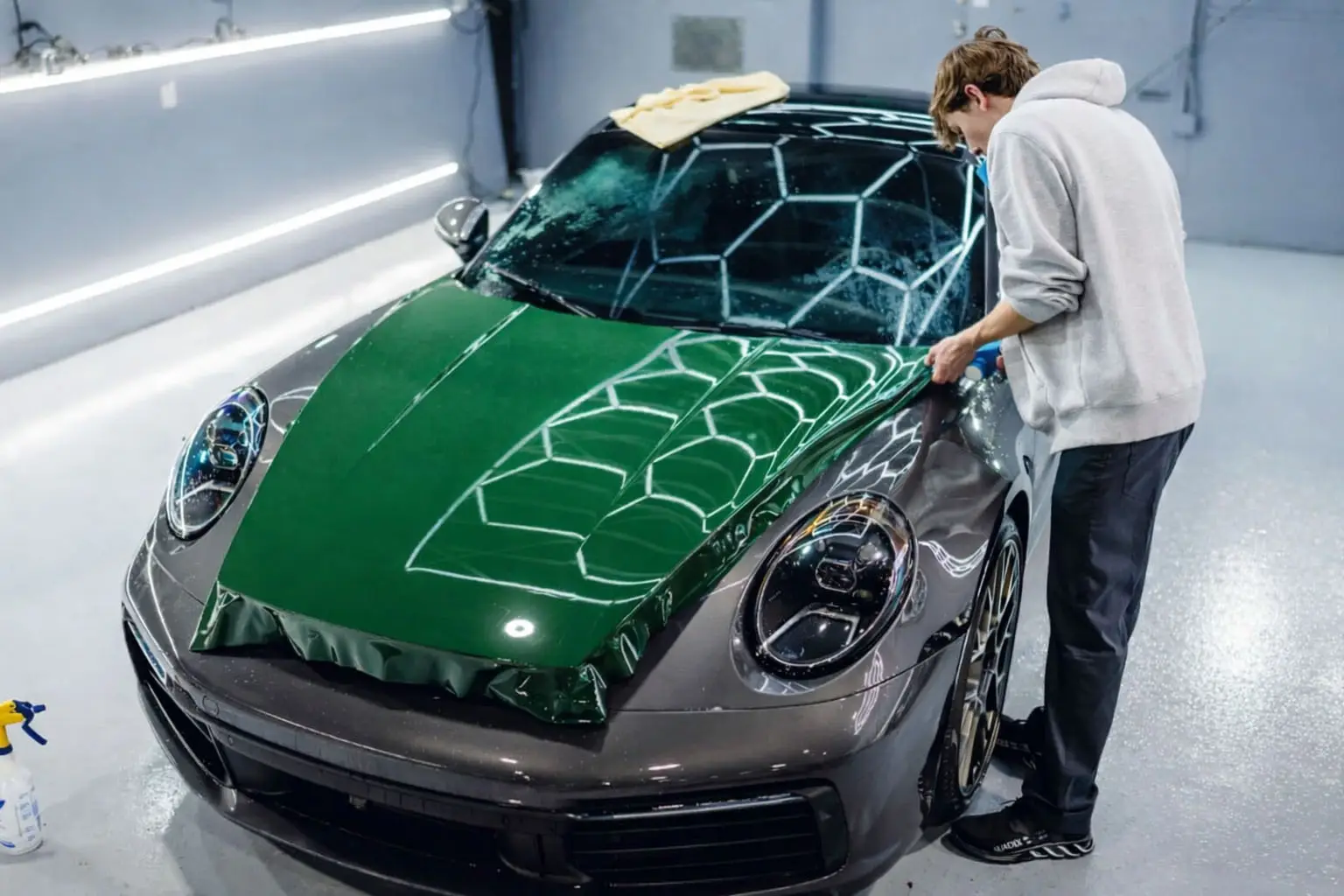
For American drivers, the best color PPF for cars must deliver three things at once: strong paint protection, reliable color performance, and long-term durability under real-world driving conditions.
Why Color PPF Is Popular in the USA
Unlike traditional vinyl wraps or repainting, color PPF is designed first for protection. In the US market, this matters because vehicles often cover long distances and face diverse road conditions.
Key reasons American car owners choose color PPF include:
-
Highway stone chip protection
-
Strong UV resistance for sunny states
-
Non-permanent color customization
-
Preservation of original paint and resale value
Color PPF allows drivers to personalize their vehicles without sacrificing protection or factory paint integrity.
What Defines the Best Color PPF for Cars?
Not all color PPF products perform the same. In the USA, the best color PPF typically shares several technical characteristics.
TPU-Based Material
High-quality color PPF is made from thermoplastic polyurethane (TPU) rather than PVC. TPU offers better elasticity, impact absorption, and long-term stability.
Consistent Color Finish
The color layer should be integrated into the film structure, ensuring uniform tone across panels without fading or discoloration.
Strong Adhesion and Removability
The film must adhere securely during use while remaining removable without damaging original paint—important for leased vehicles and resale.
Common Driving Conditions in the USA
American driving environments vary widely, making performance consistency critical.
-
Highway driving increases exposure to rock chips and debris
-
Urban commuting leads to frequent minor surface contact
-
Sun-heavy regions like California, Texas, and Florida demand UV stability
-
Seasonal climates require resistance to heat, cold, and moisture
The best color PPF for cars in the USA must handle all of these conditions reliably.
Color PPF vs Vinyl Wrap in the US Market
While vinyl wraps remain popular for short-term style changes, they are not designed primarily for protection.
Color PPF advantages:
-
Thicker and more impact resistant
-
Protects paint instead of exposing it
-
Longer service life
-
Better performance under highway use
For US drivers who log significant mileage, color PPF offers a more practical long-term solution.
Popular Color Preferences in the USA
American car owners tend to favor colors that balance individuality with resale appeal.
Common preferences include:
-
Gloss black and satin black
-
Subtle metallic tones
-
Clean solid colors with paint-like finish
-
Matte finishes on performance vehicles
The best color PPF products support these preferences while maintaining surface smoothness and color stability.
Professional Installation Matters
In the USA, professional installation plays a major role in color PPF performance. Experienced installers understand:
-
Vehicle-specific panel shapes
-
Proper stretching and alignment
-
Edge wrapping techniques
-
Climate-controlled application environments
High-quality installation ensures the film performs as intended and maintains a seamless appearance.
Maintenance Expectations for US Drivers
One advantage of color PPF is ease of maintenance. Regular washing with mild automotive products is usually sufficient.
Benefits for US vehicle owners include:
-
Reduced paint correction needs
-
Protection from everyday wear
-
Cleaner appearance after highway driving
-
Lower long-term exterior maintenance costs
This makes color PPF especially appealing for daily-driven vehicles.
Long-Term Value and Resale in the USA
The US automotive market places strong emphasis on resale value. Color PPF helps preserve factory paint, which is a key factor during resale or trade-in.
Vehicles protected with color PPF often show:
-
Better exterior condition
-
Reduced paint damage
-
Higher buyer confidence
For American car owners, this long-term value is a major reason to invest in high-quality color PPF.
Who Should Consider Color PPF in the USA?
Color PPF is well suited for:
-
Luxury and performance vehicle owners
-
Daily commuters with long highway mileage
-
SUV and truck owners exposed to road debris
-
Drivers seeking non-permanent color customization
Its flexibility and durability align well with US driving habits.
The Future of Color PPF in the United States
As vehicle prices rise and ownership periods lengthen, US drivers are increasingly focused on protection rather than short-term appearance changes. Color PPF fits this shift by offering both function and style.
With continued advances in TPU materials and color technology, adoption across the USA is expected to grow steadily.
Conclusion
The best color PPF for cars in the USA combines durable TPU material, consistent color performance, and reliable protection against real-world driving conditions. For American vehicle owners seeking long-term paint protection with personalized style, color PPF stands out as a practical and forward-looking solution.
By protecting original paint while enhancing appearance, color PPF supports both everyday driving needs and long-term vehicle value across the United States.


